
Power Protests
Protesting matters more than ever right now, for clean energy and everything.

I’ve been thinking a lot about protests this week, given what’s happening in Minnesota.
Most protest happens on social media these days, but recent events (in Minneapolis and Tehran for example) have shown that media is not enough: getting out into the streets, and speaking out, is what it takes to stand up to power. Whether that’s an oil company, monopoly utility, or would-be autocrat/king.
Pre-Internet, protest media meant posters, signs, maybe bootleg videotapes, and wearables like T-shirts and pinbacks (buttons).
I spent a few minutes pausing my stress from the news this week to look back at some vintage energy protest pinbacks.
Here they are - some still relevant today - protesting oil companies, monopoly utilities, and advocating for clean power and energy efficiency:


Oil powered America’s 20th century industrial might, and literally won World War Two (the Japanese and Germans ran out). So until recently, anti-oil messages were yelling into the wind. There wasn’t any good alternative to fossil fuels, but now there is: not just cleaner, cheaper and more versatile but also universally available. China has figured this out, which is why it is building the worlds biggest grid, powered by wind and solar (and which will also power world-beating AI and industrial capacity):
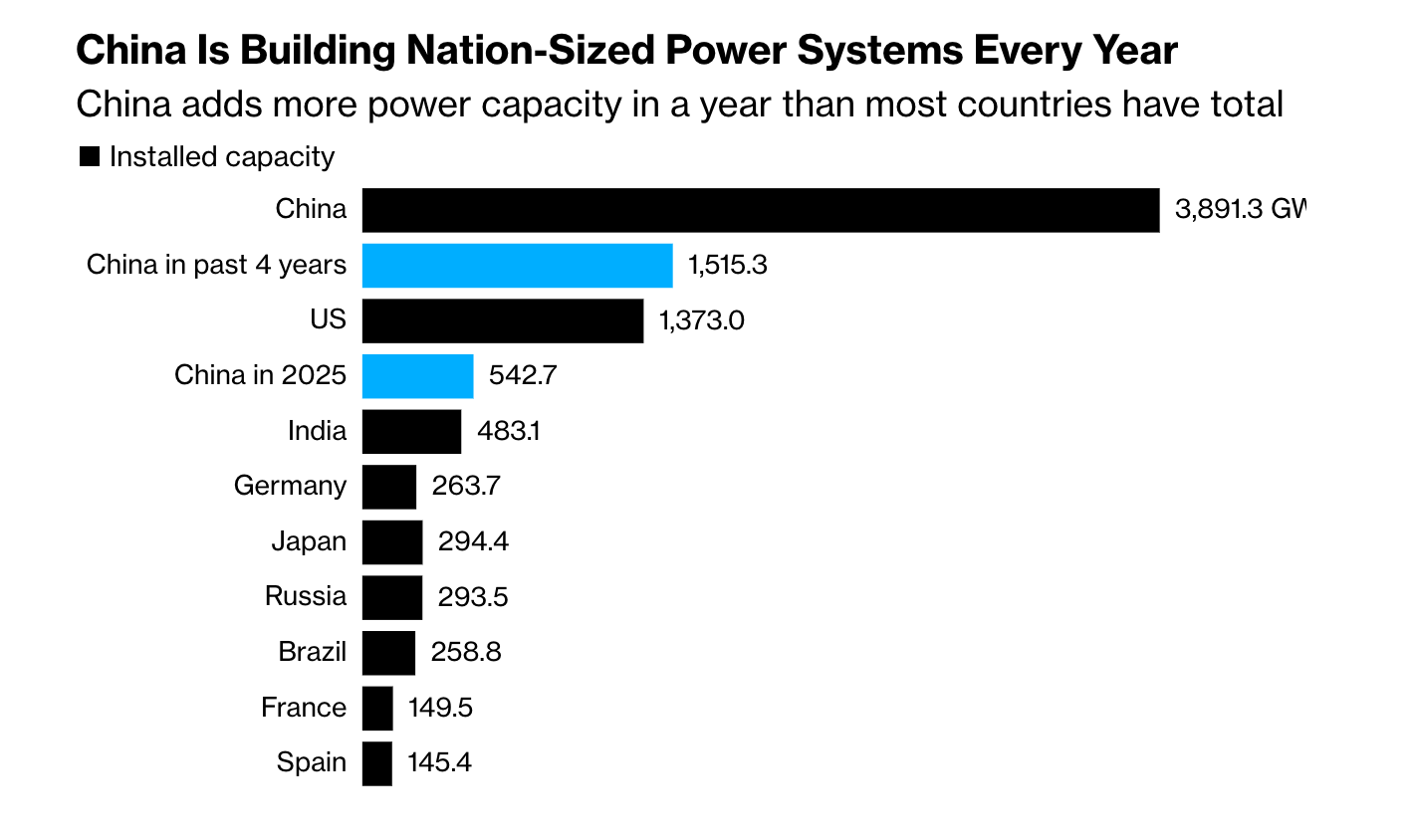
We should all be protesting the fact that while China is building a great energy future for itself, we’re sticking our heads deep in the sand/shale/other orifice and going backward. To understand the full extent of this, check out this post Sam Matey dropped today on the final day of his visit to China (actually check out the whole series, it’s awesome).

Another recurring energy protest theme has been local power: fighting monopoly utilities and their ever-increasing prices:


This hasn’t historically gone well either, but the tide’s starting to turn, with cheap solar and storage now allowing people (and companies) to produce their own energy right on their rooftops.
Cutting energy dependence on foreign powers has also often been a theme, as in these ‘save energy’ pins from the 1970s:


This ‘energy security’ theme has never been more relevant than today, with the U.S. abandoning its allies (like Europe), who now find themselves squeezed in between dependence on gas from Russia and the U.S., and needing to unite around re-arming for security and accelerating local clean, cheap energy production.
There’s few better examples recently of standing up to bullies than Canada’s Mark Carney and Ukraine’s Volodymyr Zelenskyy’s recent speeches at Davos telling the countries squeezed in between the U.S., Russia and China that they need to band together for mutual security, including energy security (although Fed Chair Jerome Powell and Minneapolis mayor Jacob Frey also did pretty well this past couple weeks). Here’s James Fallows’ excellent take on Carney’s speech at Davos if you’re interested.

I think protest, both in the streets and on social media, is going to be key to fighting for a lot of important things over the next few years.
The streets part is the simplest but also the most dangerous - and thanks to the amazing people of Minneapolis for everything they’ve done and continue to do to stand up and push back.
The social media/technology part is more complicated, especially with AI now in the mix and a more-fragmented-than-ever media landscape, with platforms controlled by billionaires who can put their hand on the algorithmic scale at the behest of governments and bullies.
Nothings as simple as buttons, but the principle is still simple: keep fighting for the world you want to see, because thats the only way it will happen.


P.S. I try to make most of my posts about clean energy and climate tech. But occasionally I’ll get political, because everything is political (including clean energy). If you choose to unsubscribe, I won’t take it personally. Thanks for doing whatever you can to support clean, affordable energy and (hopefully) also democracy.